
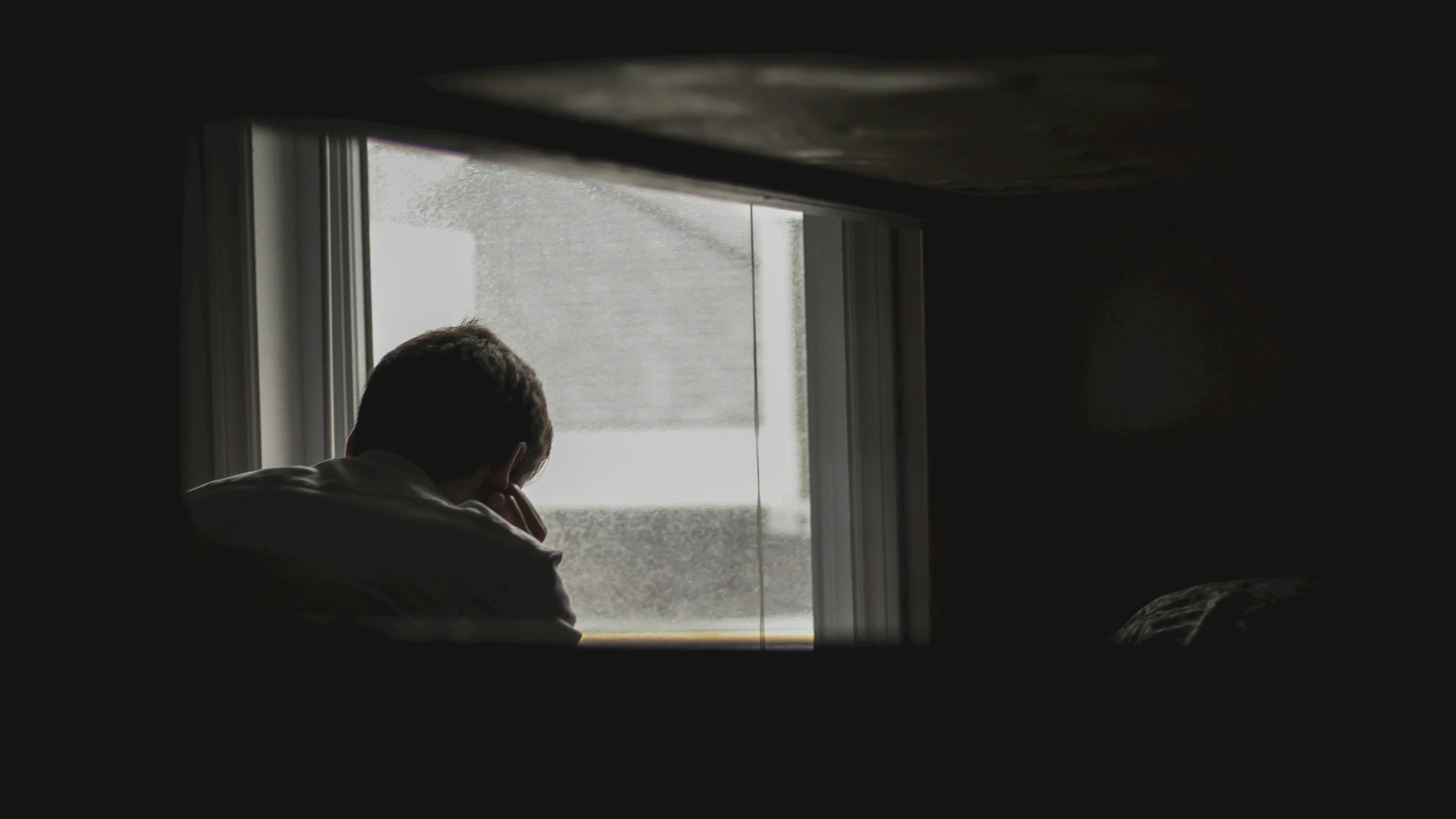
It's not sadness, exactly. It's more like … nothing. You go through the motions. You say the right things. You look okay to everyone around you. But inside, it's like someone turned the volume down on your emotional life. Things that used to matter feel distant. Things that should make you feel something, good news, bad news, intimacy, all pass through you without landing.
Emotional numbness is one of the most common, and least talked-about experiences in the mental health space. It's not dramatic or visible. But it can be quietly devastating.
Why It Happens
Emotional numbness is often the nervous system's response to overwhelm. The brain and body have sophisticated mechanisms for managing more distress than can be safely processed at once. Dissociation, emotional blunting, and numbness are part of this system. They're protective, at least initially.
Numbness can arise from prolonged stress, burnout, trauma, chronic grief, or depression. It can also be a side effect of certain medications, or a response to years of suppressing or minimising emotions (often beginning in childhood, in environments where emotions were not safe to express). It's also a known experience for people with Complex PTSD, for whom disconnecting from feeling was once the only option available.
Numbness is not weakness. It's often evidence of how hard you've been working to survive something that was too big to feel all at once.
The DBT Framework: Why 'Just Feel More' Doesn't Work
Dialectical Behaviour Therapy has one of the most clinically useful frameworks for working with emotional experience. DBT teaches that emotions are not the enemy — they carry information, signal values, and motivate action. The goal is not to eliminate emotional intensity, but to develop emotion regulation: the capacity to experience a full emotional range without being overwhelmed by it or shutting it down entirely.
For many people experiencing numbness, the therapeutic work is not about suddenly feeling more. It's about creating enough safety and stability that emotions can begin to re-emerge gradually. This is painstaking, patient work. And it often requires addressing the underlying contributors — burnout, trauma, grief, relational patterns — not just the symptom.
Small Signs That Emotions Are Returning
Recovery from numbness rarely arrives all at once. More often it comes in small, quiet moments. A piece of music that briefly moves you. A flash of irritation that actually registers. The ability to be curious about something, even for a moment. These moments matter. They are not small — they are evidence that the capacity to feel is still there, waiting.
What can help: Somatic therapies that work through the body (not just the mind), compassionate and consistent therapeutic relationships, gradual exposure to emotional experiences in safe environments, and — particularly for burnout-related numbness — rest, genuine rest, not productive recovery.
If life has started to feel flat, empty, or like you're watching it through glass, you don't have to stay there. Talk to one of our psychologists at Melbourne Wellbeing Group — it's a brave thing to reach out.