
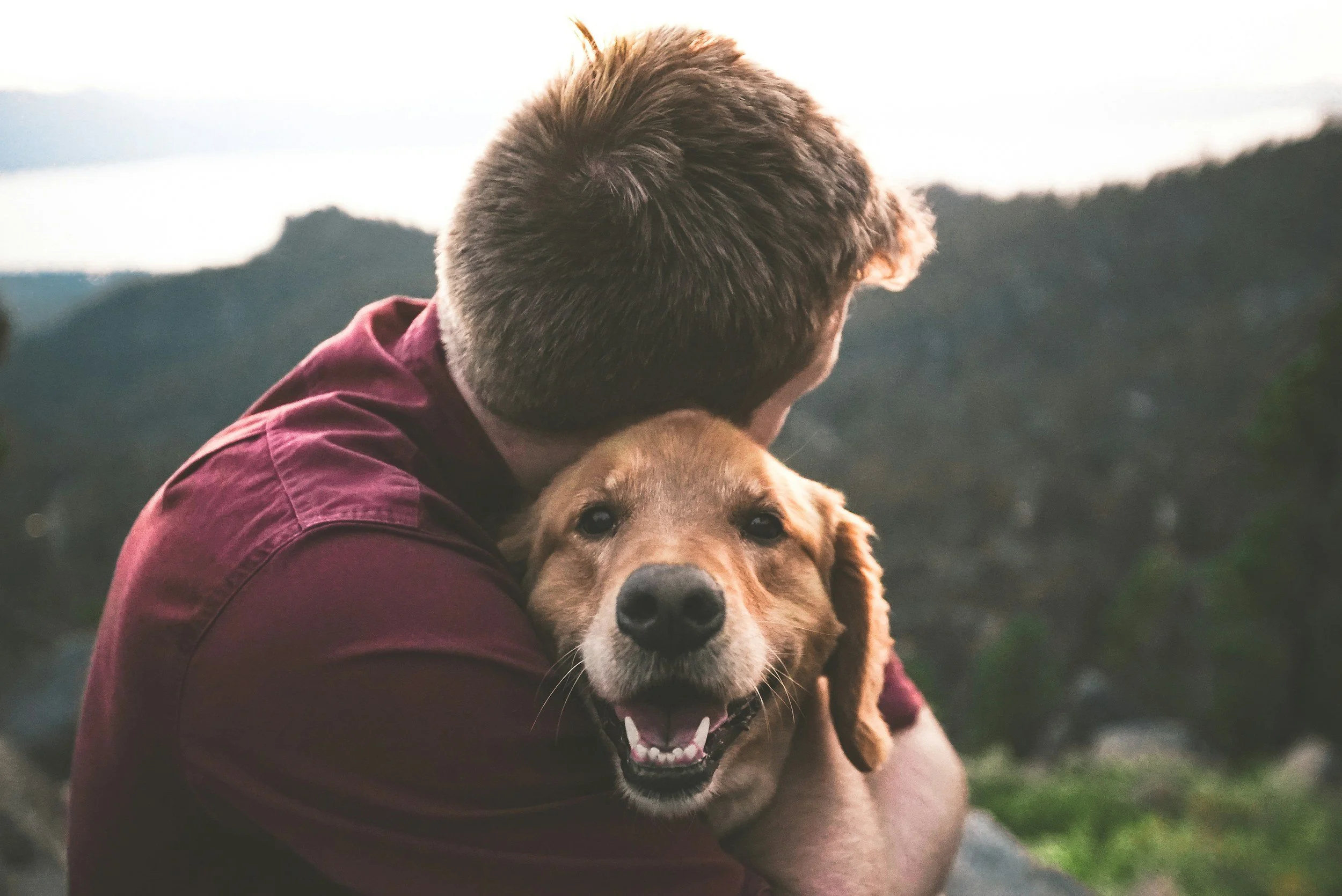
Something we hear regularly from the young people we work with is how different they feel around animals. A teenager who can barely make eye contact in session will light up telling me about their dog at home. A child who struggles to name a single emotion can describe exactly how their cat makes them feel safe. Time and again, animals come up in therapy as the one relationship that feels easy.
That's not a coincidence. Animals offer young people something that is remarkably hard to find elsewhere: presence without expectation. And in a world that constantly asks young people to perform, achieve, explain themselves, and hold it together, that kind of presence can be genuinely powerful.
What Regulation Actually Looks Like
When we talk about emotional regulation, it can sound clinical and abstract. But at its simplest, regulation is the ability to move from a state of overwhelm back to a state of calm, to feel your feet on the ground again when everything inside feels chaotic.
Young people are still developing these skills. Their nervous systems are learning how to manage big emotions, and that process doesn't happen in isolation. It happens in relationship, through connection with others who are calm, safe, and present. This is what's known as co-regulation, and it's one of the most important things animals naturally provide.
Think of a cat curled on a young person's lap after a hard day at school. A dog resting its head on their knee while they cry. A horse standing quietly alongside a teenager at an equine therapy program. These animals aren't trying to fix anything. They're simply there, and their steady, grounded presence helps a young person's nervous system settle. The rhythmic act of patting, brushing, or simply sitting with an animal can slow the heart rate, lower cortisol levels, and activate the body's parasympathetic nervous system, the part responsible for rest and recovery.
It's not magic. It's biology. But it can feel like magic to a young person who has been struggling to feel safe.
No Judgement, No Agenda
One of the things young people share in therapy is how exhausting it is to feel judged. By peers, by social media, by school expectations, sometimes even by the adults who love them most. There's a constant undercurrent of am I enough? that many young people carry, often without being able to name it.
Animals sidestep all of that. A dog doesn't care about your grades. A horse isn't thinking about what you posted online. A rabbit doesn't need you to explain why you're upset before it sits quietly beside you. Animals respond to how you are in that moment, your energy, your tone, your body, without interpreting or evaluating it.
For young people who find it hard to trust, who've been hurt by relationships, or who struggle to open up verbally, this can be the first safe connection they've had in a long time. It's a relationship built on simplicity: I'm here, you're here, and that's enough.
The Body Remembers What Words Can't Reach
Many of the young people I work with carry stress and distress in their bodies long before they have the language to describe it. Their muscles tighten. Their stomachs churn. They feel restless or frozen. Traditional talk-based approaches are valuable, but they don't always reach the part of the nervous system that's holding on to distress.
Animals offer a way in through the body. The sensory experience of touching an animal, the warmth, the texture, the gentle weight engages the senses in a way that can bypass the thinking mind and speak directly to the nervous system. Parents often share that their child is a completely different person when they're with the family pet: calmer, softer, more open. That's not a personality change. That's regulation.
This doesn't replace therapy. But it's something we often encourage families to lean into. The bond a young person has with an animal at home, or the connection they build through an equine or animal-assisted program, can open doors that might otherwise stay firmly shut.
More Than a Nice-to-Have
It's tempting to think of animals as a nice bonus in a young person's life, something that makes them smile but isn't doing any "real" work. But the growing body of research tells a different story. Reduced anxiety, improved mood, greater emotional awareness, and a stronger sense of connection, these are not small outcomes, especially for young people who are struggling.
Whether it's a pet at home, time spent with animals through a structured program, or even regular visits to a friend's dog, these interactions matter. For young people living with anxiety, depression, trauma, neurodivergence, or social difficulties, an animal can be the bridge between isolation and connection. Sometimes it's the relationship that teaches them what safety actually feels like in their body, a felt experience they can begin to carry into their human relationships too.
A Final Thought
We live in a culture that often overcomplicates support. We reach for programs, strategies, and interventions and many of those things are genuinely helpful. But sometimes the most regulating thing in a young person's life is already waiting for them at home, wagging its tail at the front door.
No performance required. No words necessary. Just connection, warmth, and the quiet reminder that they don't have to earn the right to be comforted.