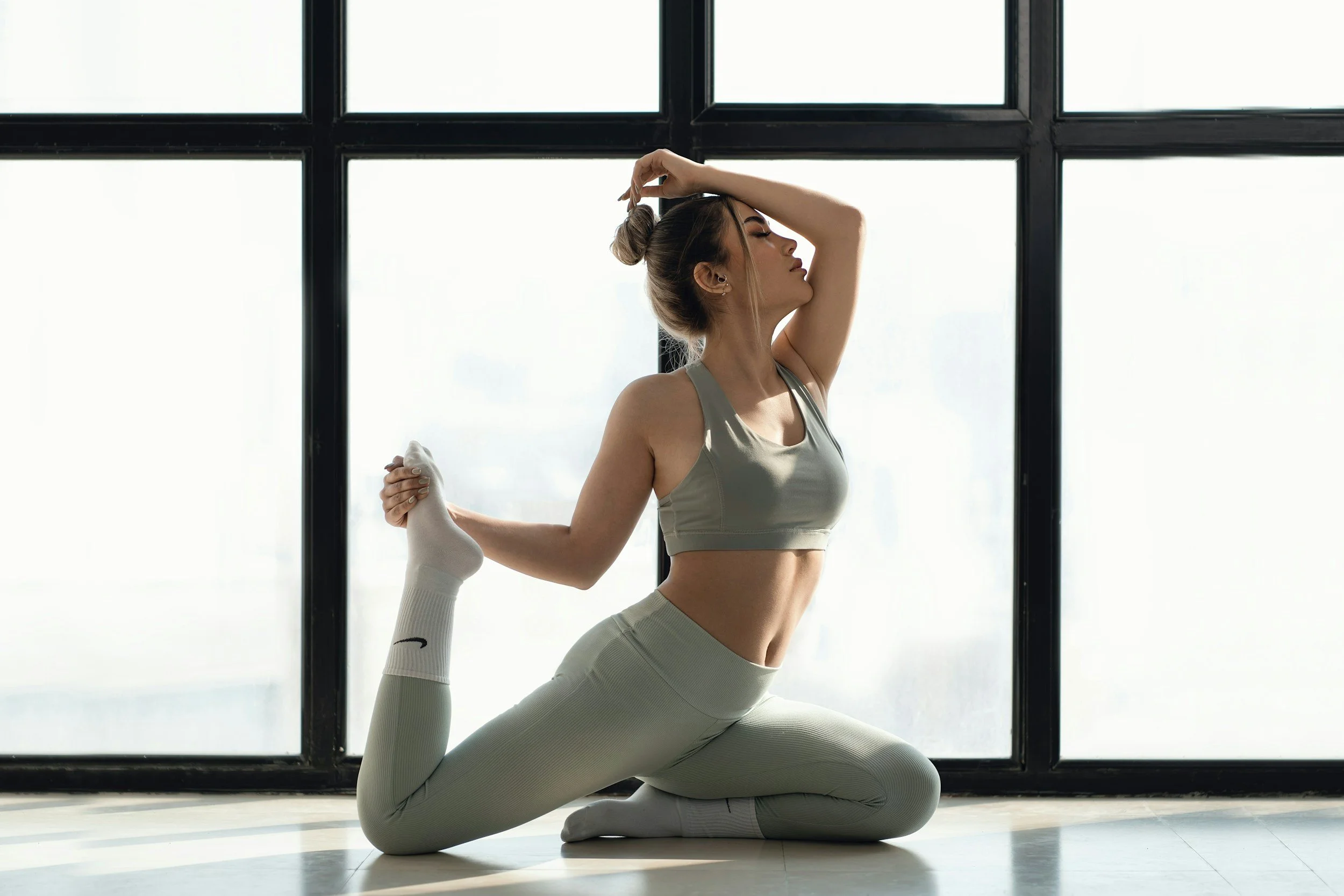
Over the past few years, a particular image of “wellness” has become almost impossible to avoid online. It is often referred to as the clean girl aesthetic. It usually looks like minimal makeup, glowing skin, perfectly styled hair, colour coordinated outfits, a spotless home, neatly organised routines, green juices, Pilates, early mornings, and calm productivity. On the surface, it appears healthy…
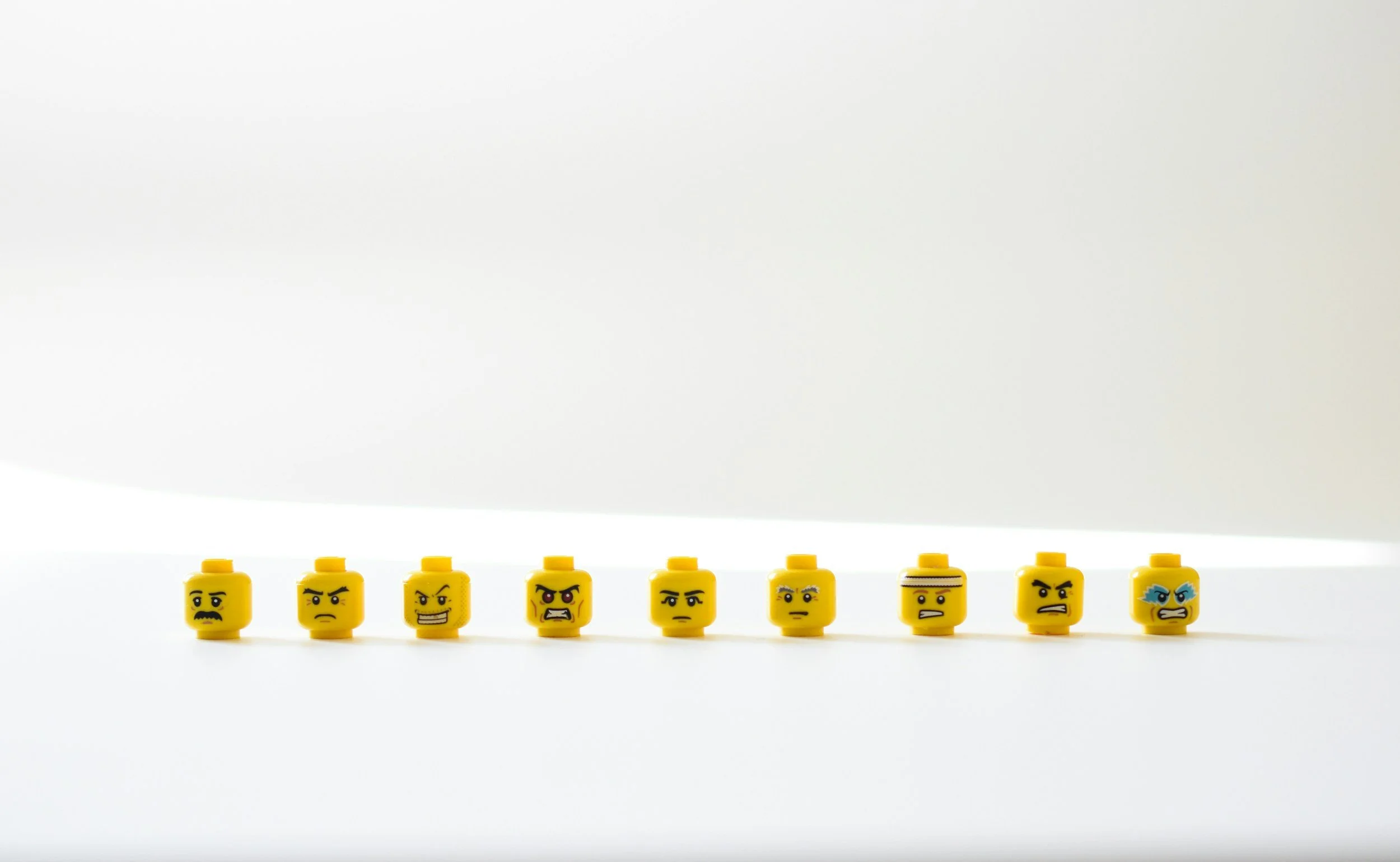
Anger Isn’t the Enemy: How to Understand and Manage It with ACT
When people think of anger, they often picture shouting, slammed doors, or lost control. But anger isn’t just explosive or loud—it can also be quiet, simmering under the surface. For some, it shows up as irritability, impatience, or passive-aggressiveness. For others, it’s an internal boil that never quite reaches the surface, but never fully settles either.
Burnout: What It Is, What to Look For, and How to Start Recovering
You’re tired—but not just the kind of tired that a good night’s sleep can fix. You feel drained, flat, unmotivated, and like you’re running on fumes. Even things you used to enjoy feel like a chore. You keep pushing through, but deep down, you know something’s not right. This might not just be stress—it could be burnout.
The Importance of the Family Dinner
For a lot of families, the idea of a regular family dinner feels unrealistic. Between work, school, sport, homework, activities, and general fatigue at the end of the day, eating together can feel like just another thing to organise. And sometimes eating separately is simply what works.
But there is something clinically meaningful about families sitting down together, even if it’s not frequent, long, or particularly calm.
TikTok and OCD: How Social Media Is Changing the Way People Understand Anxiety
Over the past few years, many of the people who come into my clinic for help with anxiety and OCD arrive with a diagnosis they have given themselves. They have watched dozens of short videos online. They have saved posts. They have followed creators who speak about mental health. They have taken quizzes. They have recognised parts of themselves in what they have seen.
Finding a Healthier Relationship With Screens for Your Mental Health
Most of us don’t need to be told that technology plays a big role in our lives. It helps us work, connect, learn, unwind, and stay organised. For many people, it’s genuinely supportive and often essential. But there’s a growing awareness, both clinically and culturally, that being constantly connected can come with costs that aren’t always obvious until we slow down enough to notice them.