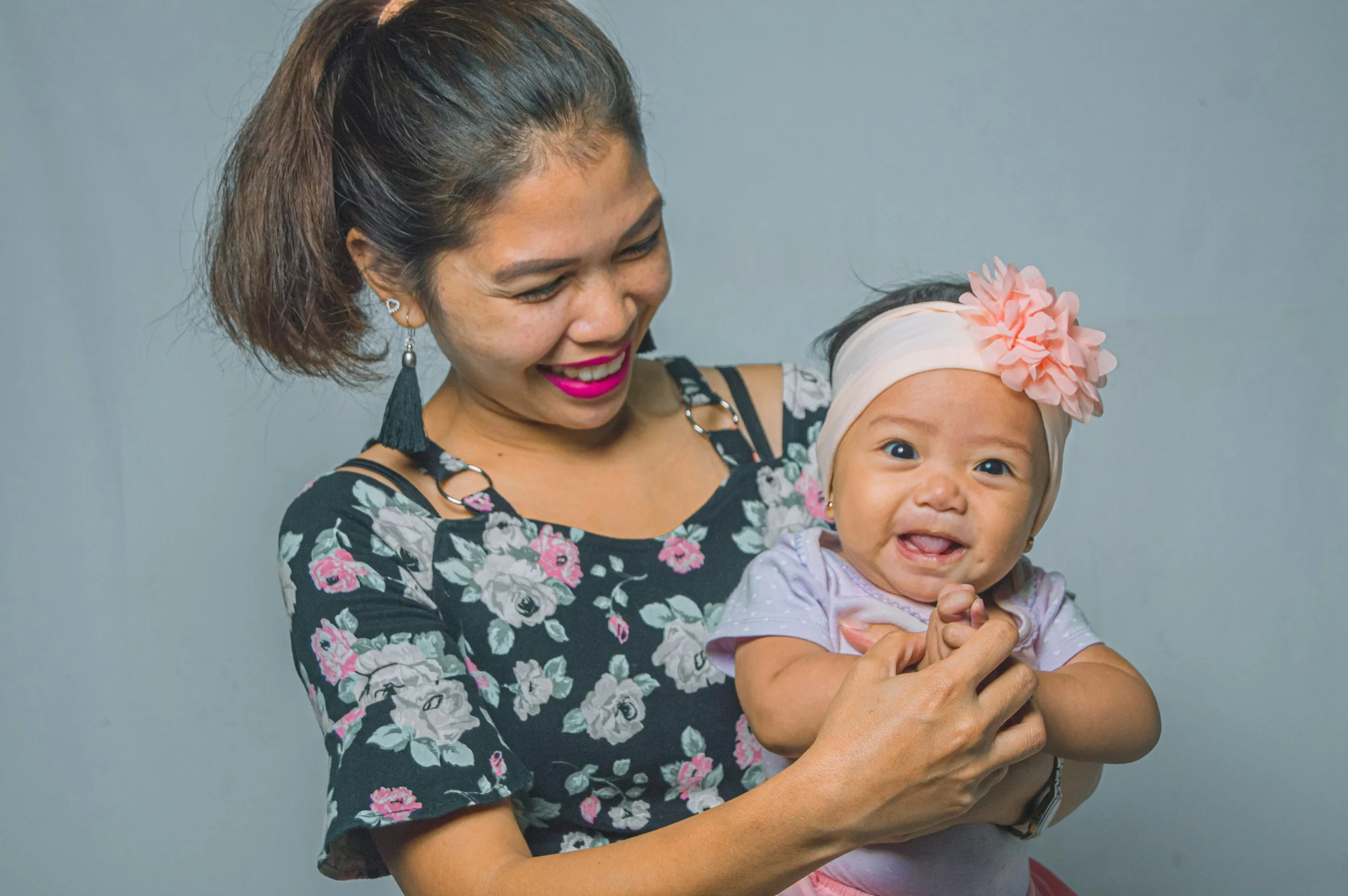
OCD after birth is far more common than most people realise. It is also one of the most misunderstood and mislabelled mental health presentations in the perinatal period. Many parents who develop OCD after having a baby spend months, and sometimes years, believing that something is wrong with them as a person, that they are a danger to their child, or that they are failing at parenthood.

Therapy Misinformation: How Social Media and Self Help Culture Are Confusing Mental Health Care
Never before have so many people had access to information about mental health. Therapy language is everywhere. Terms like trauma, boundaries, triggers, gaslighting, attachment style, nervous system regulation, and self care are now part of everyday conversation. On the surface, this seems like progress. People are more aware. Stigma has reduced. Conversations that were once hidden are now public. And yet, in my work as a clinical psychologist, I am seeing more people who are confused, overwhelmed, and discouraged by what they think therapy is supposed to look like.
Less Pushing, More Progress: Rethinking How We Motivate Kids
f you’ve ever found yourself saying, “Just do it please” for the fifth time in ten minutes… you’re not alone.
And if your child has responded with “I will!” while continuing to do absolutely nothing… also not alone.
This is one of those everyday parenting dilemmas that seems small on the surface — homework, chores, getting ready, practising skills, but can quickly turn into a pattern of frustration, nagging, and everyone feeling a bit stuck.
Underneath it, there’s a bigger tension that a lot of parents sit with:
Do I push them to do things… or do I wait for them to want to?
Why Eating Disorder Recovery Takes a Team. And Why That's a Good Thing
If you or someone you love is struggling with an eating disorder, one of the first things worth knowing is this: no single professional can do it all. Eating disorders are complex. They live in the body and the mind, and recovering from one asks for support on both fronts. That's where the care team approach comes in and understanding how it works can make the journey feel a lot less overwhelming.
Health Anxiety and the Checking Cycle
Health anxiety is one of the most exhausting forms of anxiety we see in clinical practice. It can look rational on the surface, after all, caring about your health is sensible. But for some people, concern quietly shifts into hypervigilance, repeated checking, reassurance seeking, and hours lost to Google searches. The paradox? The very behaviours meant to create certainty actually keep anxiety alive. Let’s unpack how.
Why So Many Parents Check Their Baby’s Breathing: Understanding Anxiety in Early Parenthood
For many parents, checking a sleeping baby’s breathing happens occasionally and naturally fades as confidence grows. For others, it becomes a nightly ritual that feels impossible to stop. They know their baby is healthy. They know the risk is low. They know the checking is excessive. And yet, they feel unable to sleep unless they have just confirmed, again, that their baby is alive.